Click to call Chris Cooper
 Click to email Chris Cooper

Nature for Everyone: Why Biodiversity Matters to Business, Communities, and You with Helen Avery
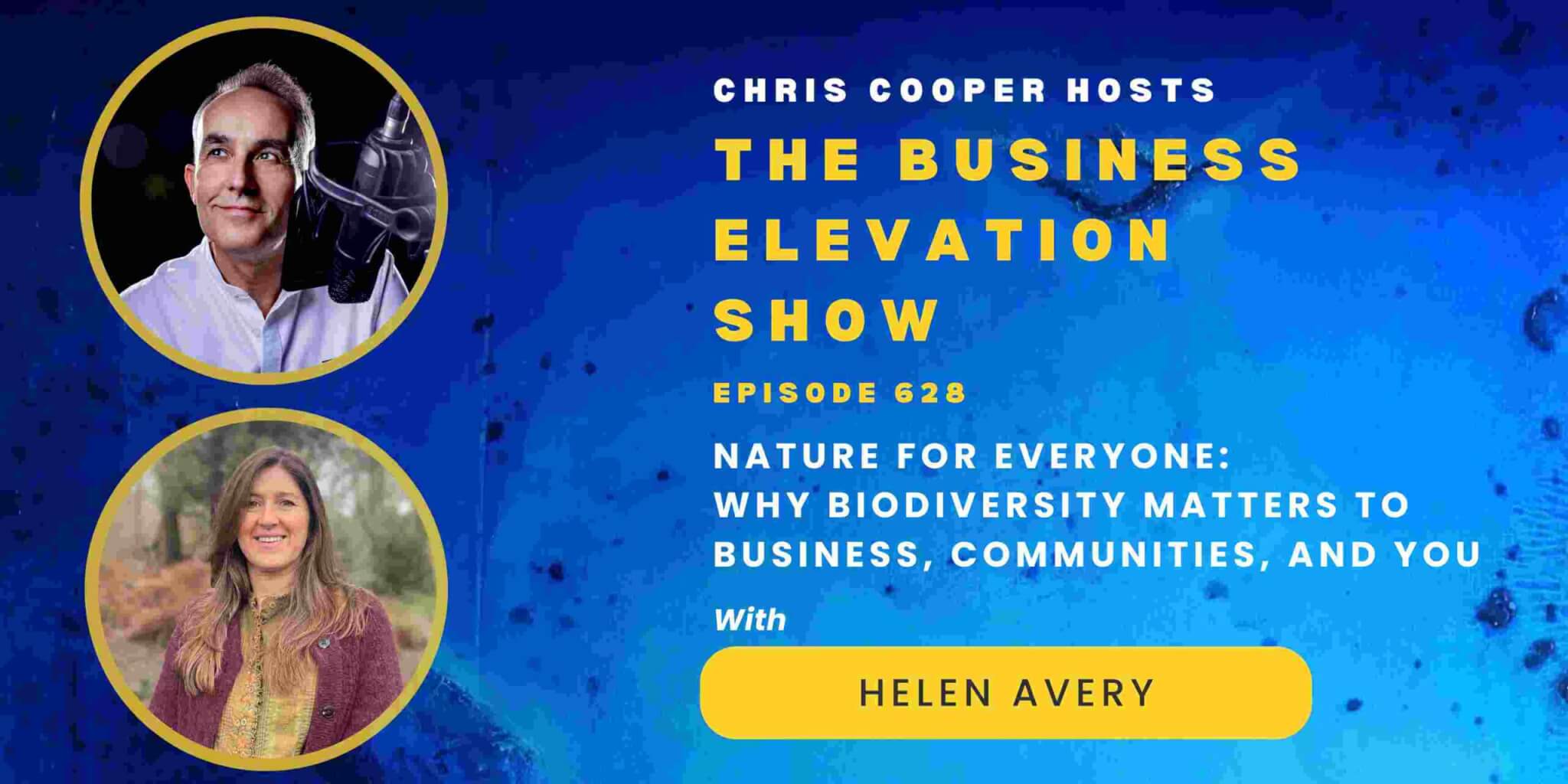
Biodiversity loss isn’t just an environmental issue—it’s a financial, social and business risk that affects us all.
In this episode of The Business Elevation Show, Chris is joined by Helen Avery, Director of Nature Programmes at the Green Finance Institute (GFI), to explore how private sector investment is being mobilised to restore nature and why this matters for leaders, organisations and communities worldwide.
Helen leads the team overseeing GFI’s work on supporting the UK Government’s investment readiness funds, the UK’s National Consultation Group for the Taskforce on Nature-related Financial Disclosures (TNFD), and an international nature investment programme with UNEP FI and UNDP Biofin. She shares how finance, government and business are working together to turn ambitious nature goals into real-world action.
Together, they discuss why biodiversity is rising rapidly up the global agenda, how nature risk shows up in supply chains and communities, and what “high-integrity” nature investment really means.
They also explore how we can make nature inclusive and relevant for everyone—not just policymakers, investors and NGOs—and how systems change actually happens on the ground.
Here are some insights from the interview you don’t want to miss:
- Biodiversity Loss is Critical
Both Chris and Helen highlighted that biodiversity loss isn’t just a sad topic—it has far-reaching financial, social, and business consequences. The decline of species, habitats, and nature’s systems threatens everything from food production to flood prevention. - Finance is a Powerful Tool for Change
Helen shared her journey from journalism to sustainable finance, emphasising that finance is simply a tool. Where and how we direct investment can dramatically change environmental outcomes. Mobilising private sector investment is crucial to restoring nature. - Business Leaders Have a Responsibility
Businesses are traditionally not focused on investing in nature unless regulated to do so. The work at the Green Finance Institute revolves around helping businesses identify their impacts and dependencies on nature—often revealing risks like water shortages, supply chain disruptions, and soil degradation, which threaten their operations. - Frameworks and Targets Matter, but Action is Complex
Helen discussed the Task Force on Nature-related Financial Disclosures (TNFD)—a global framework helping businesses understand their nature-related risks. Setting targets (like those in the Global Biodiversity Framework) is easy; actually delivering tangible change requires coordination, regulation, and commitment across many actors. - Nature is More Than Just Wildlife
The interview underscored that nature isn’t only about visible animals or plants; habitats provide essential services—like flood control, cooling, water supply, and soil health. Protecting or restoring these habitats is vital for both our economy and wellbeing. - Community and Indigenous Knowledge is Key
There’s growing recognition of the wisdom of indigenous and local communities in protecting nature. Solutions are increasingly designed with their input, and community-based projects are shown to be highly effective. - Greenwashing and Green Hushing
There is concern about businesses claiming to be environmentally friendly (greenwashing), and equally, about businesses avoiding publicising positive actions for fear of criticism (green hushing). High-integrity nature investment involves genuine action, transparency, and community engagement. - Practical Steps for Individuals and Leaders
- Business leaders should explore frameworks like TNFD to assess their impacts on nature and future risks.
- Everyone can play a part: get curious about your local nature, support community projects, and write to local officials to prioritize green spaces.
- Nature conservation isn’t just for NGOs or specialists; it’s a collective responsibility.
- Hope and Positive Stories Exist
Despite the challenges, Helen highlighted inspiring examples: community-driven re-wilding projects in Scotland, eco-lodges in Rwanda that support both conservation and local people, and farmers working with water utilities to improve river quality. - Urgency, but Also Inspiration
The conversation is ultimately a call to action—nature is integral to our survival, and collective action is needed to prevent further collapse. Experiencing nature firsthand inspires people to care and act.
We love nature. We are nature. Get out, enjoy it, and see what you can do. I think you’ll be inspired!
– Helen Avery
This is a conversation about hope, system change and the role we can all play in creating a nature-positive future—because good matters.
You can listen to this Business Elevation Show interview with Helen Avery & Chris Cooper here. Alternatively on Apple Podcasts, Spotify, Tunein, Amazon Music, iHeart Radio (latter US only).
More about Helen Avery:
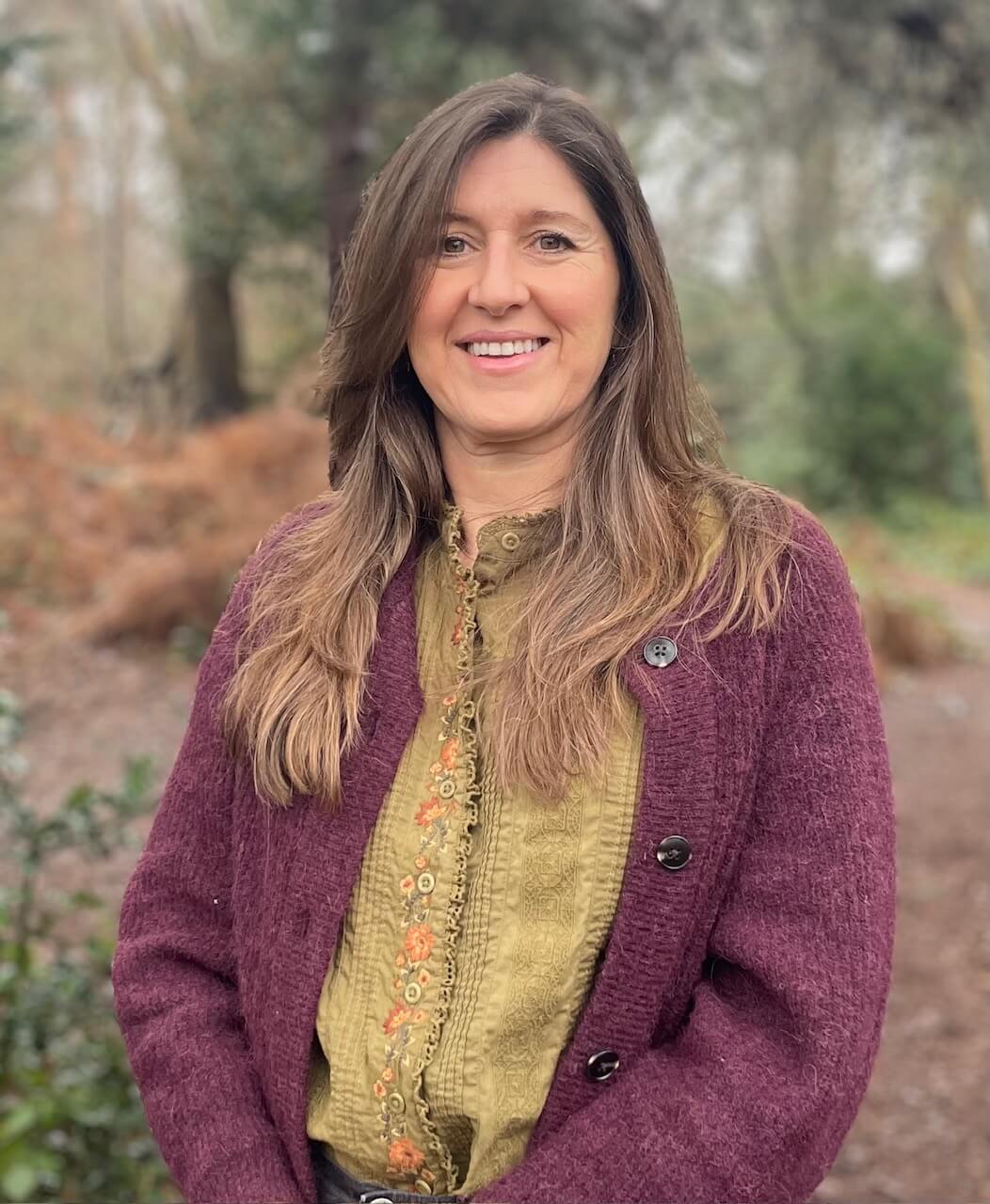
Helen Avery is Director of Nature Programmes at the Green Finance Institute (GFI) where she focuses on unlocking private sector investment into nature-based solutions and nature restoration.
Helen leads the team that oversees GFI’s work on supporting the UK Government’s investment readiness funds, as well as the UK’s National Consultation Group for the Taskforce on Nature-related Financial Disclosures. The team also oversees an international nature investment programme with UNEP FI and UNDP Biofin.
You may also be interested in
-
Continue reading: Motivate, Not Deflate: Applying Buddhist Wisdom to Elevate Feedback, Performance, and Leadership with Dr Laura Lois Greenwood

Motivate, Not Deflate: Applying Buddhist Wisdom to Elevate Feedback, Performance, and Leadership with Dr Laura Lois Greenwood
Dr Laura translates ancient mind-training principles into fully secular, workplace-ready tools.
-
Continue reading: How To Bridge Divides with Simon Greer
How To Bridge Divides with Simon Greer
A timely and deeply human discussion about what each of us can do to foster understanding,…
-
Continue reading: Nature for Everyone: Why Biodiversity Matters to Business, Communities, and You with Helen Avery
Nature for Everyone: Why Biodiversity Matters to Business, Communities, and You with Helen Avery
A conversation about hope, system change and the role we can all play in creating a…
-
Continue reading: Communicating for Good: Storytelling To Change and Save Lives with Rhonda Curry
Communicating for Good: Storytelling To Change and Save Lives with Rhonda Curry
If you want your communication to build trust, inspire action and change—or even save—lives, this episode…
-
Continue reading: Healing Trauma, Gracefully with Dr Lori Leyden
Healing Trauma, Gracefully with Dr Lori Leyden
Inspiration, wisdom and a transformational perspective on how best to overcome trauma.
-
Continue reading: Winning The Snakes & Ladders Game Of Life with Paul Davis
Winning The Snakes & Ladders Game Of Life with Paul Davis
Reflection, perspective, and practical wisdom for anyone rethinking their direction, their leadership, or the game they’re…
-
Continue reading: Forging Unbreakable Alliances: Lessons in Trust, Communication and Leadership with Robin Dreeke
Forging Unbreakable Alliances: Lessons in Trust, Communication and Leadership with Robin Dreeke
How to communicate more authentically, lead more consciously, and contribute more meaningfully in a complex world…
-
Continue reading: Special Encore Show: We Are Inseparable – From Fragmentation to Unity — A New Vision for Business, Leadership, and Humanity with Dr Jude Currivan
Special Encore Show: We Are Inseparable – From Fragmentation to Unity — A New Vision for Business, Leadership, and Humanity with Dr Jude Currivan
Discover an evolutionary framework for leadership and business in the 21st century…
-
Continue reading: 10 Elevations For Thriving and Doing Good In The World Today with Chris Cooper
10 Elevations For Thriving and Doing Good In The World Today with Chris Cooper
This episode offers a thoughtful and hopeful close to the year and a powerful opening into…
-
Continue reading: Special Encore: Fierce Civility from Polarization to Lasting Peace with Joe Weston
Special Encore: Fierce Civility from Polarization to Lasting Peace with Joe Weston
Invaluable insights on transforming adversarial interactions into opportunities for growth and connection.
-
Continue reading: Firm Feedback in a Fragile World with Jeff Hancher
Firm Feedback in a Fragile World with Jeff Hancher
Elevate performance, strengthen relationships and lead with both courage and heart.
-
Continue reading: Special Encore: The Five Stages of Career Growth with Tessa White
Special Encore: The Five Stages of Career Growth with Tessa White
Valuable insights for anyone at any career stage, and especially useful for those leading teams or…





We’ve worked with