Click to call Chris Cooper
 Click to email Chris Cooper

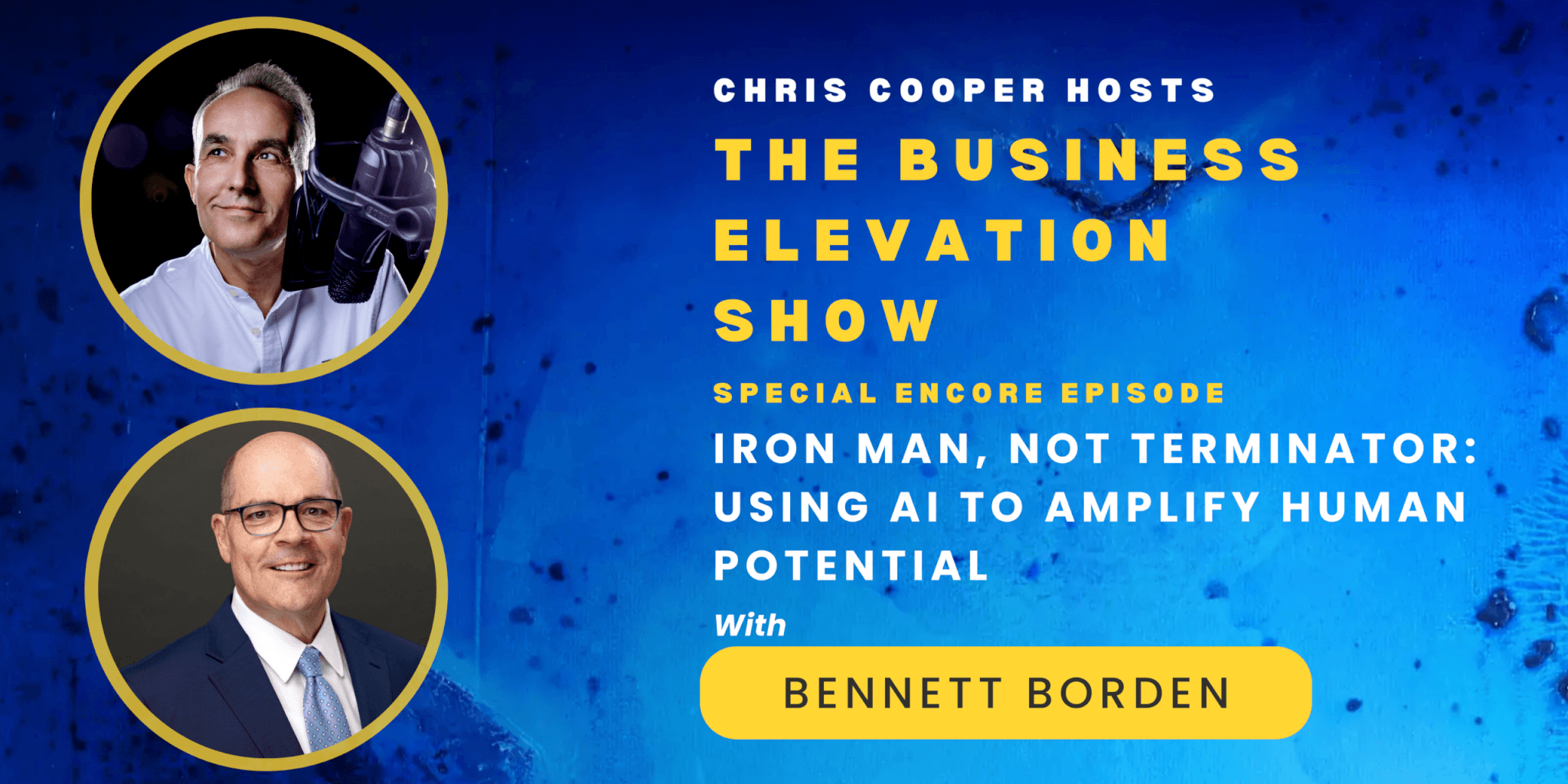
Iron Man, Not Terminator: Using AI to Amplify Human Potential with Bennett Borden
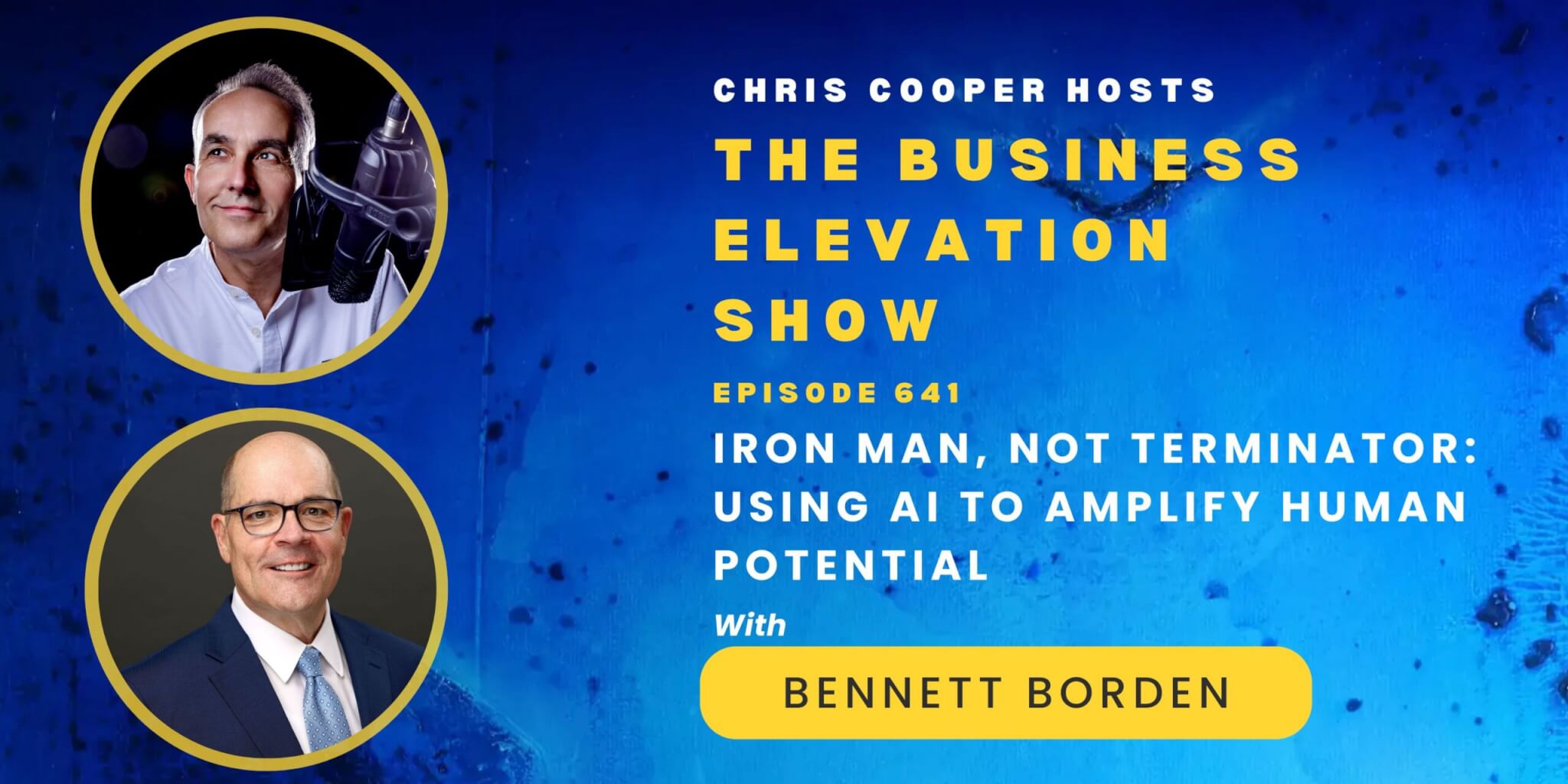
Artificial Intelligence is transforming our world at an extraordinary pace, creating both exciting opportunities and significant challenges. So how do we ensure AI enhances human potential rather than diminishes it?
In this engaging conversation, Chris was joined by Bennett Borden, Founder and CEO of Clarion AI Partners and a globally recognised expert on the legal, ethical, technological and business implications of artificial intelligence.
A former Partner and Chief Data Scientist at DLA Piper, Bennett believes AI is the most transformative technology since electricity. He shared his compelling “Iron Man, Not Terminator” philosophy, explaining how leaders can use AI to augment human capability, unlock innovation and create lasting value while managing risk responsibly.
Chris and Bennett explored the future of work, education, ethics, regulation and leadership in an AI-enabled world, and discuss what it will take to build a future where technology serves humanity and amplifies good.
Here are some insights from the interview you don’t want to miss:
- The Iron Man, Not Terminator Philosophy
Rather than fearing AI as a replacement or existential threat, leaders and organisations should use AI to amplify human capabilities—like an Iron Man suit for your workforce. AI should augment what people do, not replace their essential human contributions. Implementing AI well means identifying which tasks should be automated and which remain essentially human. - Harness Your Unique Acumen with AI Agents
True competitive advantage from AI comes not just from generic models, but from encoding your organisation’s specific knowledge and workflows into AI agents or “knowledge bots.” By focusing AI on particular workflows unique to your company, you can magnify your secret sauce—the insights and expertise that set you apart. - AI Transformation Is Mostly a People Challenge
Successfully integrating AI is 20% technical and 80% psychological/sociological. People’s feelings about AI—whether fear, resistance, or excitement—play a major role in adoption. Leaders must tap into employee input, address concerns, and foster an uplifting culture that sees AI as a tool for empowerment, not replacement. - Prove Reasonable and Responsible AI Use
Deploying AI responsibly means building in technical controls and auditability—so you can prove your systems are acting as intended, legally, ethically, and in line with industry standards. The best way to control AI is with more AI: adversarial agents and metric-driven monitoring ensure defensible, “reasonable” use. - Learn AI by Engaging Directly
Anyone, from CEOs to frontline staff, can start learning and benefiting from AI simply by asking it questions. Use general tools like ChatGPT, Claude, or Gemini to create custom learning paths, ask for explanations, and get advice on everything from business tasks to creative projects. The best way to understand AI’s potential is to interact with it directly.
We have a moral responsibility to use data in a way that is ennobling and furthering and flourishing, as opposed to extortive
– Bennett Borden
This is an essential conversation for leaders, entrepreneurs, educators and anyone seeking to understand the opportunities and responsibilities that come with the AI revolution.
You can listen to this Business Elevation Show interview with Bennett Borden & Chris Cooper here. Alternatively on Apple Podcasts, Spotify, Tunein, Amazon Music, iHeart Radio (latter US only).
More about Bennett Borden:

Bennett B. Borden is Founder and CEO of Clarion AI Partners, an integrated law, technology, and strategy firm helping organisations deliver AI the right way.
He is a globally recognised authority on the legal, technological, and business implications of artificial intelligence, advising leading enterprises and AI developers on how to deploy AI systems that create real value while managing risk.
Before founding Clarion, Bennett served as Partner and Chief Data Scientist at the global law firm DLA Piper, where he helped shape AI strategy for multinational organisations.
Today, he works with companies and policymakers to translate complex AI developments into practical insights leaders can act on.
You may also be interested in
-
Continue reading: Bee Good Gathering 2026

Bee Good Gathering 2026
What Happens When Good People Come Together? Our Bee Good Gathering 2026 At the end of…
-
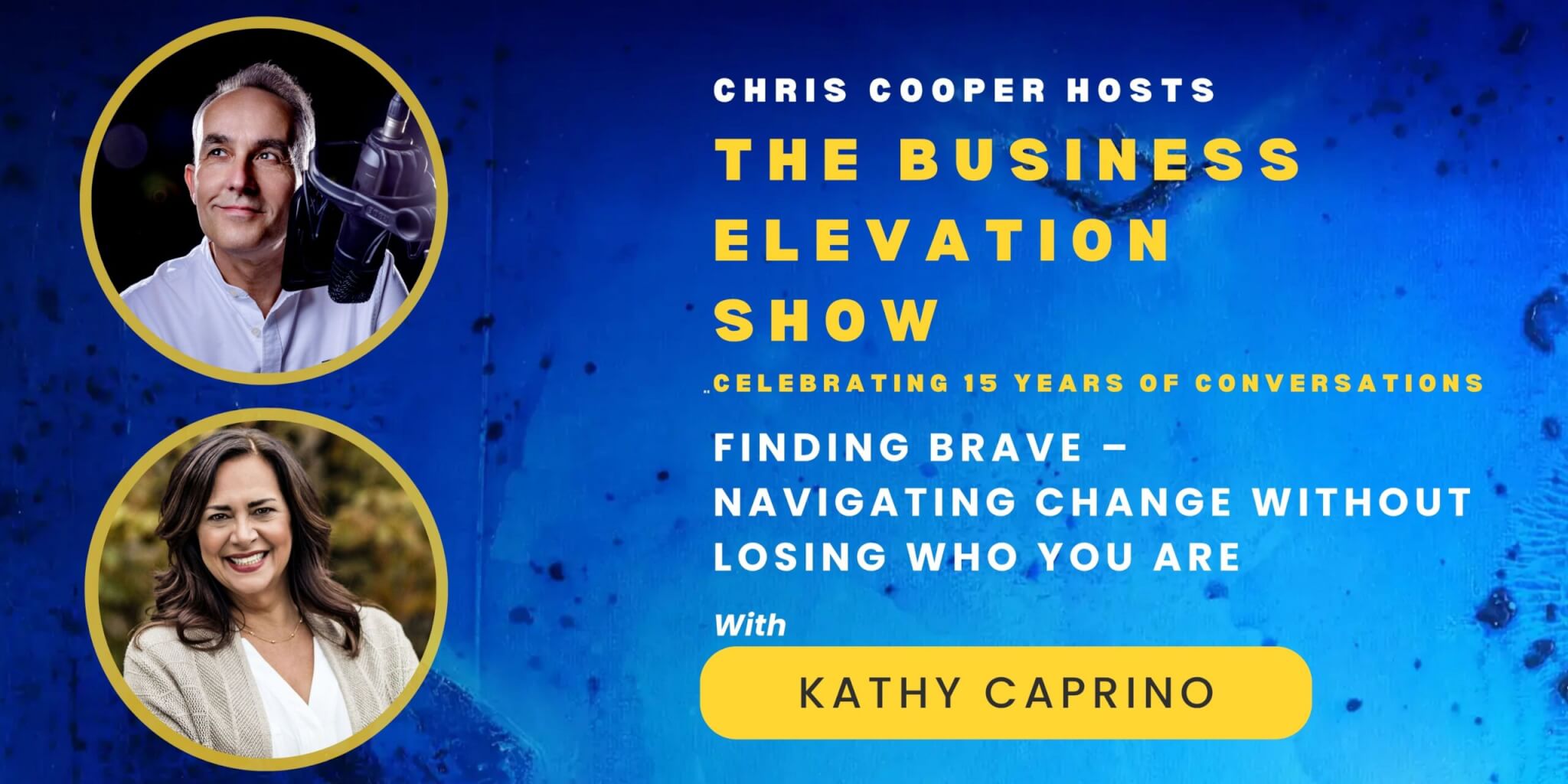
Continue reading: Kathy Caprino: Finding Brave – Navigating Change Without Losing Who You Are

Kathy Caprino: Finding Brave – Navigating Change Without Losing Who You Are
An open, practical and deeply human conversation about finding brave, navigating uncertainty and becoming more fully…
-
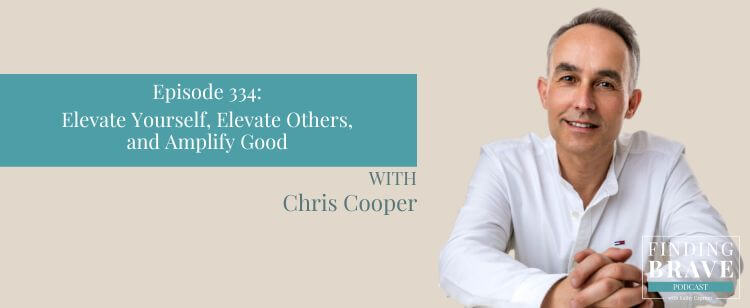
Continue reading: Elevate Yourself, Elevate Others and Amplify Good – Reflections from My Conversation with Kathy Caprino on Finding Brave

Elevate Yourself, Elevate Others and Amplify Good – Reflections from My Conversation with Kathy Caprino on Finding Brave
Elevate Yourself, Elevate Others & Amplify Good – Chris Cooper on Finding Brave
-
Continue reading: Siân Sutherland: Radical Naivety – The Entrepreneurial Power to Change the World
Siân Sutherland: Radical Naivety – The Entrepreneurial Power to Change the World
Radical naivety, courageous leadership, entrepreneurship, and our capacity to use business as a powerful force for…
-
Continue reading: Special Encore: Iron Man, Not Terminator: Using AI to Amplify Human Potential with Bennett Borden

Special Encore: Iron Man, Not Terminator: Using AI to Amplify Human Potential with Bennett Borden
An essential conversation for leaders, entrepreneurs, educators and anyone seeking to understand the opportunities and responsibilities that come with the…
-
Continue reading: Make Your Brain Work – The Neuroscience of High Performance Without Burnout – with Amy Brann
Make Your Brain Work – The Neuroscience of High Performance Without Burnout – with Amy Brann
Make your brain work better, elevate performance and achieve more — without burning yourself or those…
-
Continue reading: The Relationships That Shape Our Lives and Success with Dr Neil Wilkie
The Relationships That Shape Our Lives and Success with Dr Neil Wilkie
Explore what makes relationships thrive — and what causes them to deteriorate.
-
Continue reading: Inner Leadership, Global Impact with Lauren L’Amour
Inner Leadership, Global Impact with Lauren L’Amour
A fascinating and practical conversation about why transforming how we lead ourselves can transform the impact…
-
Continue reading: The Second Act Advantage: Why Your Best Years May Still Be Ahead with Jay Samit
The Second Act Advantage: Why Your Best Years May Still Be Ahead with Jay Samit
Learn how to embrace change, identify new possibilities and turn everything you’ve learned into greater purpose,…
-
Continue reading: From Grief to Belonging to the World with Barry Hoffner
From Grief to Belonging to the World with Barry Hoffner
What an extraordinary journey through life and around the world can teach us about connecting more…
-
Continue reading: Cracking The Code of Human Connection with Jennifer K. Hill
Cracking The Code of Human Connection with Jennifer K. Hill
Why, in an increasingly digital world, authentic connection may be our greatest super-power…
-
Continue reading: Why Relationships Matter More Than Ever In The Age of AI with Judy Robinett
Why Relationships Matter More Than Ever In The Age of AI with Judy Robinett
Listen for a timely, practical and inspiring conversation about leadership, innovation, opportunity and why the right…


We’ve worked with