Click to call Chris Cooper
 Click to email Chris Cooper

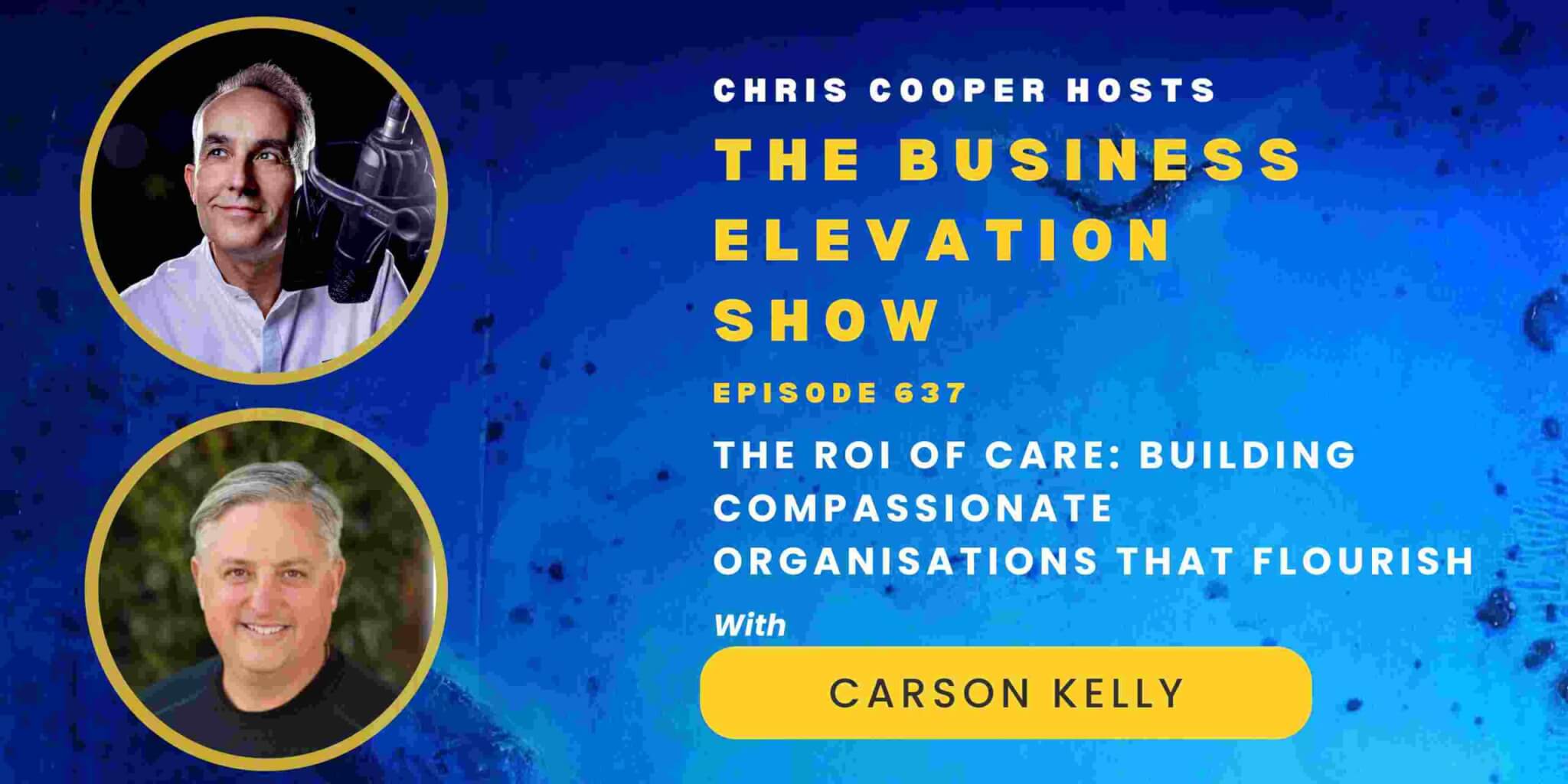
The ROI of Care: Building Compassionate Organisations That Flourish with Carson Kelly
What if compassion wasn’t just a moral ideal—but a measurable driver of performance, innovation, and long-term success?
In today’s fast-moving and often high-pressure world, many organisations still operate from models built on stress and scarcity, leaving people disengaged and depleted. Yet a growing body of science points to a different path—one where care, trust, and psychological safety are central to sustainable high performance.
In this insightful conversation, Chris Cooper was joined by organisational strategist Carson Kelly, Founder of Compassion 2.0, to explore the concept of the ROI of Care—and why the organisations that truly flourish are those that place human wellbeing at the heart of how they operate.
Drawing on neuroscience and real-world experience, Carson shared how care-based cultures can unlock creativity, strengthen relationships, and improve both engagement and results.
Together, Chris and Carson explored what it takes to move from fear-based, extractive environments to more generative, human-centred organisations, and why, in an age shaped by AI, our most human qualities may become our greatest advantage.
We’re designed to be in groups, so it’s important to remember that no matter how fearful you are, engage in helping others, even if it’s just a little bit
– Carson Kelly
Here are some insights from the interview you don’t want to miss:
- The Return on Investment (ROI) of Care
Carson explained that cultivating care and compassion within organisations is not just a moral choice, but a measurable driver of innovation, performance, and sustainable success. By shifting people from chronic threat and stress states (sympathetic nervous system) to states of safety and trust (parasympathetic), organisations unlock higher-level cognitive abilities, creativity, and collaboration, tangibly improving results. - Transformative Power of Personal Experiences
A near-death experience in Carson’s youth dramatically shifted his outlook on life, moving him away from materialistic pursuits to a lifelong journey in philosophy, spiritual inquiry, and eventually the field of organisational compassion and well-being. - Generative vs. Extractive Organisational Cultures
The interview highlighted the damaging effects of fear-based, extractive environments that leave teams depleted, disengaged, and defensive. Carson advocated for generative, care-centred organisations that actively foster safety and wellbeing, setting the foundation for flourishing and high performance. - Compassion is Practical and Measurable
Practices and frameworks can be implemented to diagnose, build, and measure a culture of care—including diagnostics on organisational behaviour, invitations to up-skill in empathy and communication, and establishing containers for compassionate interactions. Carson emphasised that this isn’t just “care washing”; it must be genuine and systemic to create lasting change. - Compassion Begins With the Individual
Both organisational and broader societal flourishing start at the personal level. Carson underscored the importance of self-compassion as a basis for extending genuine care to others. Even small acts of compassion—in families, teams, or communities—create positive ripple effects, reinforcing our neurobiology’s drive for connection and group well-being.
If you care about building organisations that succeed and do good, this conversation offers both inspiration and practical insight into leading with care in today’s world.
You can listen to this Business Elevation Show interview with Chris Cooper & Carson Kelly here. Alternatively on Apple Podcasts, Spotify, Tunein, Amazon Music, iHeart Radio (latter US only).
More about Carson Kelly:

Carson Kelly is an organisational strategist and leadership advisor who helps organisations transform culture and performance by integrating organisational leadership, employee engagement, and the neuroscience of care into measurable business strategies. His work centres on building care-based workplace cultures that strengthen team cohesion, psychological safety, trust, and sustainable high performance—supported by quantifiable outcomes through the ROI of Care framework.
Carson’s work is grounded in a broader mission of scaling compassion. He has founded and led three organizations at the intersection of prosocial science and commerce, directed a 4,000-member progressive civic engagement and resistance group, and serves as a board member at Mount Madonna School.
As Founder of Compassion 2.0 and Flourishingly, Carson partners with executives, Chief People Officers, HR leaders, Chief Wellness Officers, CEOs, COOs, and senior organizational leaders to design and implement science-backed leadership development programs, culture transformation initiatives, and AI-informed organisational diagnostics. His platforms and frameworks enable organizations to measure and enhance employee well-being, leadership effectiveness, organisational resonance, and cross-team collaboration.
Through his work with Karuna Ventures, Carson provides strategic consulting to mission-driven founders, executives, and investors seeking to align capital deployment with human flourishing and systemic impact. He bridges organisational design, leadership development, and impact measurement—supporting ventures from inception through scale. His advisory work includes business model alignment, stakeholder engagement, and applying the ROI of Care as a decision-making framework to ensure growth is both profitable and regenerative.
With over 15 years of experience across enterprise SaaS, digital health, and nonprofit governance, Carson has delivered meaningful results in culture transformation, employee retention, and human-centred organisational design. He collaborates with behavioural scientists, neuroscientists, and organisational psychologists to develop and deliver evidence-based practices—from somatic regulation to purpose and values alignment—that strengthen both people and performance.
He is a dedicated husband and father of three daughters.
You may also be interested in
-
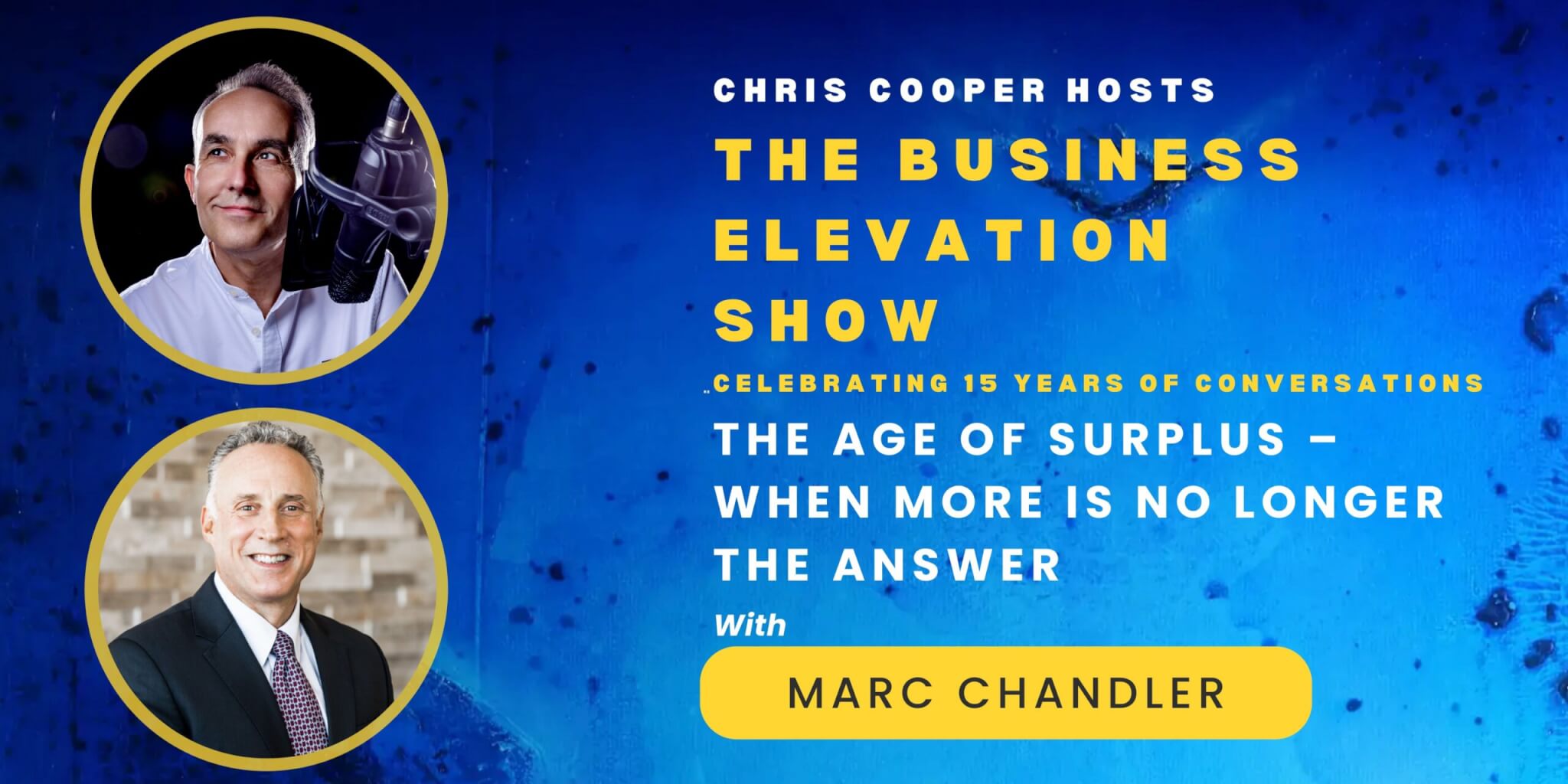
Continue reading: Marc Chandler: The Age of Surplus – When More Is No Longer the Answer

Marc Chandler: The Age of Surplus – When More Is No Longer the Answer
Explore how our pursuit of ever more growth and consumption shapes business, inequality, political power and…
-
Continue reading: Bee Good Gathering 2026

Bee Good Gathering 2026
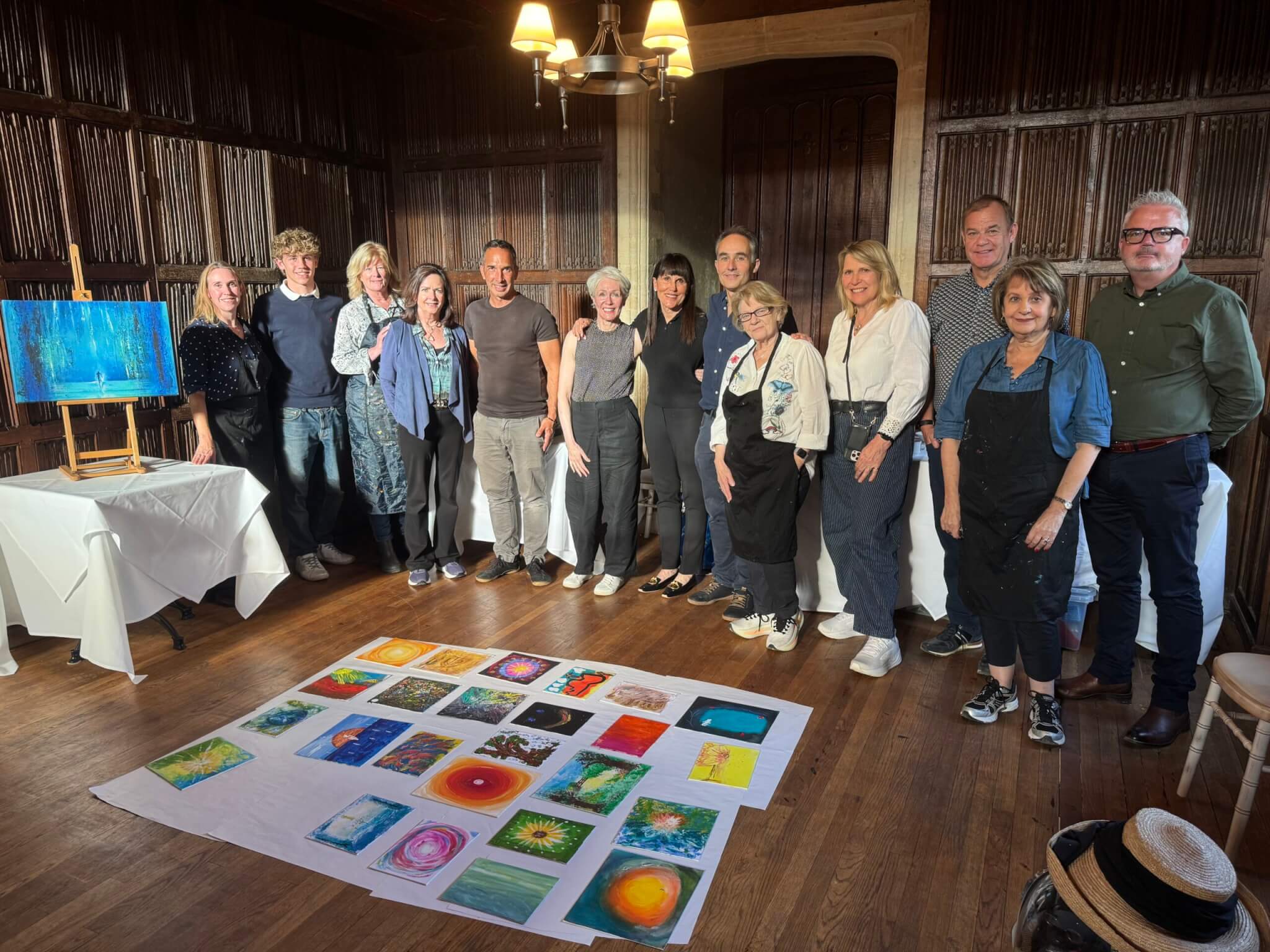
What Happens When Good People Come Together? Our Bee Good Gathering 2026 At the end of…
-
Continue reading: Kathy Caprino: Finding Brave – Navigating Change Without Losing Who You Are
Kathy Caprino: Finding Brave – Navigating Change Without Losing Who You Are
An open, practical and deeply human conversation about finding brave, navigating uncertainty and becoming more fully…
-
Continue reading: Elevate Yourself, Elevate Others and Amplify Good – Reflections from My Conversation with Kathy Caprino on Finding Brave

Elevate Yourself, Elevate Others and Amplify Good – Reflections from My Conversation with Kathy Caprino on Finding Brave
Elevate Yourself, Elevate Others & Amplify Good – Chris Cooper on Finding Brave
-
Continue reading: Siân Sutherland: Radical Naivety – The Entrepreneurial Power to Change the World
Siân Sutherland: Radical Naivety – The Entrepreneurial Power to Change the World
Radical naivety, courageous leadership, entrepreneurship, and our capacity to use business as a powerful force for…
-
Continue reading: Special Encore: Iron Man, Not Terminator: Using AI to Amplify Human Potential with Bennett Borden

Special Encore: Iron Man, Not Terminator: Using AI to Amplify Human Potential with Bennett Borden
An essential conversation for leaders, entrepreneurs, educators and anyone seeking to understand the opportunities and responsibilities that come with the…
-
Continue reading: Make Your Brain Work – The Neuroscience of High Performance Without Burnout – with Amy Brann
Make Your Brain Work – The Neuroscience of High Performance Without Burnout – with Amy Brann
Make your brain work better, elevate performance and achieve more — without burning yourself or those…
-
Continue reading: The Relationships That Shape Our Lives and Success with Dr Neil Wilkie
The Relationships That Shape Our Lives and Success with Dr Neil Wilkie
Explore what makes relationships thrive — and what causes them to deteriorate.
-
Continue reading: Inner Leadership, Global Impact with Lauren L’Amour
Inner Leadership, Global Impact with Lauren L’Amour
A fascinating and practical conversation about why transforming how we lead ourselves can transform the impact…
-
Continue reading: The Second Act Advantage: Why Your Best Years May Still Be Ahead with Jay Samit
The Second Act Advantage: Why Your Best Years May Still Be Ahead with Jay Samit
Learn how to embrace change, identify new possibilities and turn everything you’ve learned into greater purpose,…
-
Continue reading: From Grief to Belonging to the World with Barry Hoffner
From Grief to Belonging to the World with Barry Hoffner
What an extraordinary journey through life and around the world can teach us about connecting more…
-
Continue reading: Cracking The Code of Human Connection with Jennifer K. Hill
Cracking The Code of Human Connection with Jennifer K. Hill
Why, in an increasingly digital world, authentic connection may be our greatest super-power…

We’ve worked with